Man With a Van in Camden

Our man with a van in Camden service is arranged for straightforward moving work that needs practical transport, careful handling and a clear plan. It suits customers who want help moving a few items, a room’s contents, larger household pieces or business belongings without booking a full removal operation. We focus on sensible loading, secure carriage and tidy drop-off so the job is organised from start to finish.
For customers comparing options, the service is shaped around the type of load rather than a one-size-fits-all approach. That means the work can be tailored to furniture, boxed goods, office equipment, stock or mixed items. If you are weighing up timings, vehicle size or the level of help needed, pricing and quotes is the best place to begin. Make your move easier to plan by thinking first about what needs moving and how far it must travel.
We also provide related moving support where it helps keep the job efficient. That can include help with heavier pieces, modest loading support and the transport needed to get belongings from one address to another in a single trip or over several journeys. Contact us for a quotation if you want to turn a short list of items into a workable moving plan.
Flexible moving help for homes and flats
The core home-moving work is suited to smaller relocations, partial moves and the transport of items that do not need a full-size removal crew. It can be useful for studio flats, shared houses, single-room moves and top-up transport alongside another moving arrangement. We can handle furniture, white goods where appropriate, boxes, personal items and other household pieces that need careful loading and sensible positioning in the van.
When space, access or timing is tight, the practical value of a man and van arrangement is that it stays focused on the load itself. That can make it easier to move between properties, storage and temporary accommodation. If you need a broader service overview, the main man and van removals page covers the moving style itself in more detail. A good plan starts with knowing which items need protection, which need dismantling and which can be carried as they are.
The work can also be suitable when the move is not a complete household relocation. For example, you may only need a sofa collected, a bed delivered or several boxes taken to a new address. In those cases, the aim is to combine efficient transport with enough care to avoid damage or awkward handling. If your list includes mixed items, we can help you decide what should travel together and what may be better separated for safe loading.
Furniture transport, pick-ups and single-item collections

Furniture transport is one of the clearest uses for this kind of service because large or awkward items often need more than a standard car or small hatchback can offer. Sofas, wardrobes, tables, beds and storage units all need proper lifting technique and a sensible load order. The van space should be used to reduce movement in transit, while the item’s shape and weight guide how it is carried and secured.
For one-off collections, the service can be arranged around the seller’s location, the receiving address or a storage unit. That flexibility is useful when a purchase must be moved promptly or when a bulky item has to be collected from an upstairs room. Related transport options are outlined on the furniture pick-up page, which is helpful if your main concern is moving a single piece rather than a full household load.
Where furniture has detachable parts, it is often sensible to prepare those parts separately so the move is safer and more orderly. Screws, fittings and loose shelves can be grouped together, while mirrors, glass tops and fabric surfaces are kept protected. Good preparation matters, but the service itself still does the important part: moving the item from A to B with as little disruption as practical.
Office, trade and commercial removals
Commercial work requires a slightly different approach because office furniture, files, displays and stock often need to be moved around operating schedules, building access rules and the need to keep items grouped correctly. A man with a van arrangement can suit smaller office relocations, internal transfers, archive moves and equipment transport where the load is important but a large-scale relocation is unnecessary. It is also useful when you only need part of a business moved.
For organisations comparing service types, our commercial moves page explains the kind of transport and handling that can support office and business relocation work. The job may involve desks, chairs, shelving, boxed paperwork, point-of-sale materials or light equipment. Careful labelling, sensible stacking and a clear loading order are often more valuable than speed on their own, especially where items must arrive in the right sequence.
Business customers often want a move that keeps disruption limited and makes the receiving side easier to set up. That may mean moving files first, then furniture, or separating delicate items from the heavier pieces. The service can be adapted to the scale of the task, but it still benefits from a clear inventory and a realistic view of what needs protection or dismantling before loading begins.
House, flat and room moves
Not every household move needs a full removals package. For smaller homes, shared accommodation and partial moves, this service can provide the vehicle, transport and loading help needed to move belongings in a manageable way. It is often a good fit when you only have a limited number of rooms to relocate or when the property access makes a larger vehicle less practical.
If you want to understand the broader household moving options, the home moves page gives a useful overview of domestic relocation work. This can include transport of boxed contents, furniture, kitchen items and personal belongings, along with the careful handling needed to keep those items grouped for the right room on arrival. The main aim is to keep the move orderly rather than overcomplicate it.
In practice, a small home move works best when the load list is honest and simple. Items with awkward dimensions, fragile surfaces or mixed loose parts should be identified early, because they may need a different loading position from the rest. Clear packing and clear priorities make it easier to choose the correct van space and avoid unnecessary rehandling at the destination.
How loading, access and journey planning are handled

The practical side of a man with a van job is often decided before the vehicle even arrives. Access at both addresses, floor level, parking, narrow corridors and the shape of the larger items all affect how the work should be arranged. A good plan does not need to be complicated, but it should reflect the actual spaces involved so the loading order makes sense.
For customers who are preparing to request a quotation, the most helpful details are usually the size of the load, the start and end locations, whether stairs are involved and whether any furniture needs dismantling. You do not need to overstate everything; a clear summary is enough to make the moving plan realistic. If you want to compare service types before you decide, the removal services page is a practical next step.
The journey itself is only one part of the job, but it matters because safe transport depends on how items were loaded and secured. Heavier pieces generally need lower positions in the van, while lighter or more delicate pieces may sit above them if that arrangement is appropriate. The aim is not only to move the items, but to do so in a way that helps them arrive in the same condition they left.
About Camden
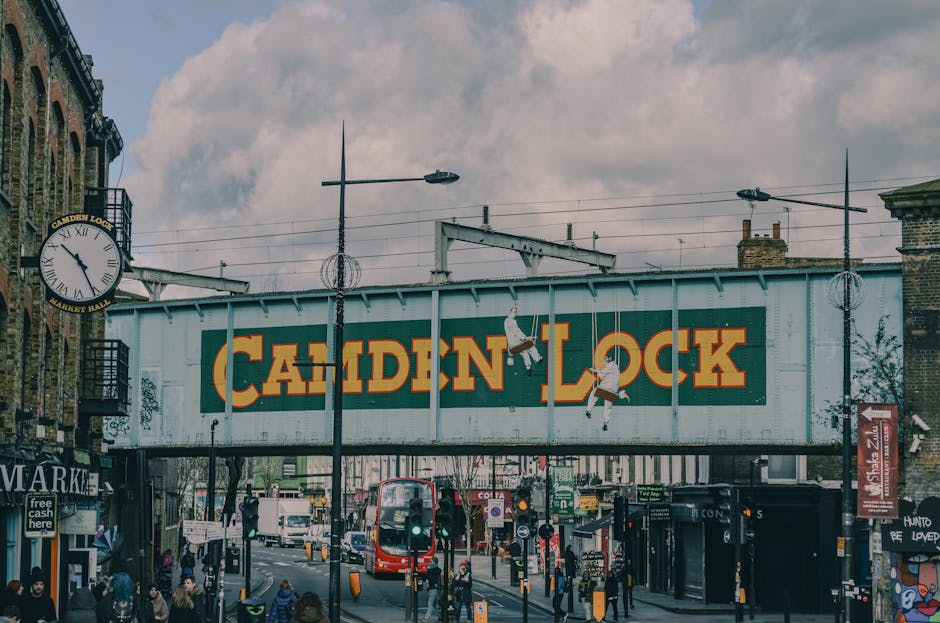
Camden in north London is best known as both a borough and a lively district centred on Camden Town. The area grew rapidly in the nineteenth century after the Regent’s Canal and the railway age reshaped movement through the capital. Camden Town itself took its name from Charles Pratt, 1st Earl Camden, whose title was associated with the development of the land. The district is now closely identified with markets, music venues, independent shops and a dense mix of streets that reflect successive phases of London growth. Regents Canal runs through the area and remains one of its most recognisable routes, with towpaths linking Camden Lock, King’s Cross and Primrose Hill. The canal-side setting has helped create a landscape where former industrial and transport spaces sit alongside housing, leisure uses and redevelopment. Camden Market, spread across several connected sites, draws on the area’s long history of trade and reuse of older buildings. Nearby, the Roundhouse stands as one of the most prominent performance spaces, while the Jewish Museum London and the streets around Camden High Street add to the area’s cultural character. The borough also includes quieter neighbourhoods such as Belsize Park, Kentish Town, Gospel Oak and Hampstead, each with its own building styles and local identity. Green spaces are an important part of the district too: Regent’s Park lies to the south-east, while Primrose Hill offers views across central London. The mix of canal, rail, markets, terraces and cultural venues gives Camden a layered urban character that is both historic and continuously changing.
Where customers need wider removal support, the house removals service can help with fuller domestic relocations that go beyond a few items. This is useful when a property is being cleared in stages, when several rooms need moving together or when household items need to be transported in a more structured way. The right choice depends on the size and shape of the move, not on a generic label.
It is often worth keeping the brief simple when requesting transport: what is moving, where it is going and whether anything needs special handling. If that is enough to get started, send over your details for a quotation and we can help shape the job into the right moving arrangement.
Packing support and careful item preparation
Packing can make a major difference to how smoothly a van move runs, especially when the load contains fragile or mixed items. Boxes that are packed too loosely shift in transit, while overfilled boxes can be awkward to stack and harder to carry safely. The packing side of the work is therefore about balance: enough protection for the contents, but not so much volume that loading becomes inefficient.
If you need help with the organisation before the move, our packing and unpacking services page explains a useful supporting service for homes and businesses. This sort of help can be especially valuable where kitchenware, files, ornaments, books or electronics need to be grouped and labelled in a logical way. Good packing does not make the move longer; it usually makes the transport phase calmer and more predictable.
There are a few simple principles that tend to help. Heavier items should go into smaller boxes, fragile items need space from pressure points, and mixed loose belongings are easier to manage when they are not all put together in one container. Preparation should serve the move, not complicate it, and that is why a straightforward packing approach often works best with a man and van service.
Office removals, internal moves and equipment transport

Office removals often need a methodical approach because furniture, files and equipment may need to be moved without disrupting the order of the workplace. For smaller firms, start-ups and home offices, a van-based service can be enough to shift desks, chairs, storage units, computers and boxed paperwork between premises or within the same building. The work is shaped by what needs to stay together and what can be separated safely.
Our office removals page is a useful reference point when the move involves business premises rather than a domestic address. In many cases, the most important task is not simply lifting and driving, but keeping each group of items identifiable so that set-up on arrival is easier. That is especially helpful where workstations, screens and documents must be placed in the right order.
Office moves can also involve awkward timing or limited access, so the movement plan should reflect the building rules and the nature of the items. Delicate equipment may need extra care, and archive boxes often need a loading pattern that prevents crushing. The most effective approach is usually the one that keeps the process clear, compact and organised rather than adding unnecessary complexity.
Useful choices when comparing service options
Different moving tasks call for different levels of support, so it helps to compare the service type with the job in front of you. A single item collection, a small flat move and a business relocation can all use a van, yet each one may need a different balance of loading help, packing preparation and route planning. The best choice is usually the one that matches the volume, access and handling requirements of the load.
A short checklist can help before you enquire:
- List the main items that need moving.
- Note any stairs, narrow entrances or parking limits.
- Separate fragile or awkward pieces from general boxes.
- Decide whether dismantling is needed before loading.
- Identify whether the move is domestic, commercial or a single collection.
If you are comparing transport categories, the moving van page can help you think about vehicle-based moving more broadly. Once you know the shape of the task, it becomes easier to decide whether you need a small collection, a partial move or something closer to a full household transfer. Choose the level of support that fits the load, not the other way round.
Enquiry support and quotation requests

When you are ready to ask for a quotation, it helps to give a simple summary of the move rather than trying to write a perfect brief. The main points are usually enough: the items involved, collection and delivery locations, access issues, and whether there are any heavy or fragile pieces. That gives us a practical starting point for planning the transport and deciding what the job needs.
The service can then be shaped into the right level of help, whether that means one collection, a short local move or a more structured loading plan. If you want to see the wider booking and price information first, the contact us page is the direct place to continue. You can keep your note brief and still provide everything needed for a sensible response.
Request a quotation today if you are looking for a straightforward man with a van service in Camden and want a practical way to move items without unnecessary fuss. A clear summary is usually enough to get the conversation started and turn an uncertain move into a manageable plan.