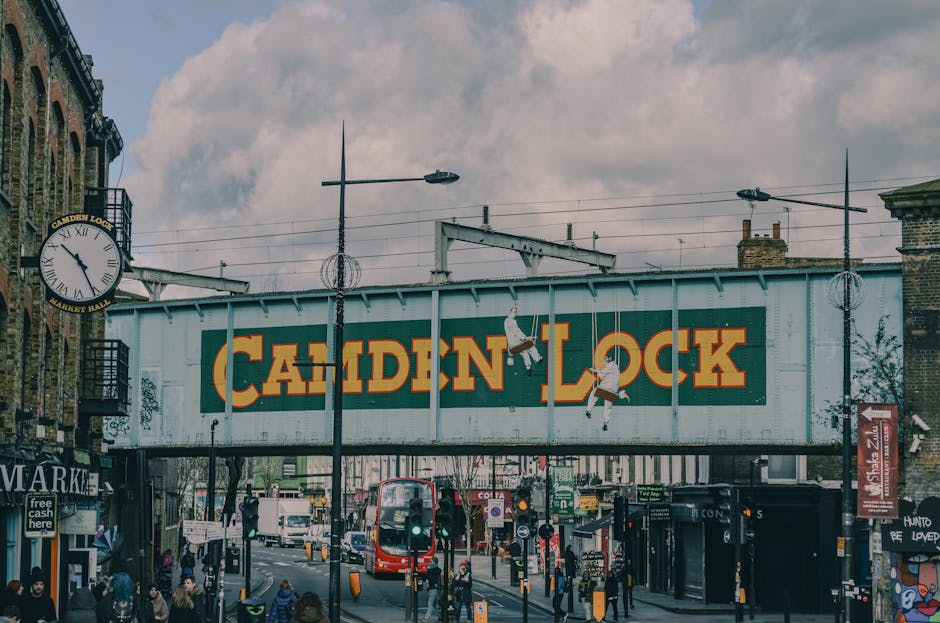
Camden Market removals advice for stall owners
If you run a stall in Camden Market, moving stock, fixtures, or a full trading setup is rarely as simple as hiring a van and hoping for the best. Access can be tight, timings are often unforgiving, and one awkward lift can slow the whole day down. That is exactly why Camden Market removals advice for stall owners matters: it helps you move safely, protect your stock, and keep disruption to a minimum.
Whether you are shifting a single pitch, clearing out a pop-up unit, or relocating an entire stall between storage, workshop, and market, a good plan makes all the difference. In this guide, you will find practical, local-minded advice on how to prepare, what to prioritise, and how to avoid the messy little surprises that tend to appear at 6.30am on a damp Tuesday morning. Not ideal, honestly.
Table of Contents
- Why Camden Market removals advice for stall owners matters
- How the removal process works
- Key benefits and practical advantages
- Who this is for and when it makes sense
- Step-by-step guidance
- Expert tips for better results
- Common mistakes to avoid
- Tools, resources and recommendations
- Law, compliance, standards and best practice
- Options, methods and comparison table
- Case study or real-world example
- Practical checklist
- Conclusion
- Frequently asked questions
Why Camden Market removals advice for stall owners matters
Markets are not like regular commercial premises. At Camden, the pace, access, layout, and trading rhythm all affect how a move unfolds. You are not just transporting boxes. You are moving a working business, often with a mix of delicate stock, branded displays, signage, lighting, packaging, cash tills, and maybe that one awkward shelf unit nobody wants to dismantle.
Good removals advice helps you reduce lost trading time and avoid damage. It also helps you think through things that are easy to overlook when you are busy serving customers and juggling stock replenishment. For example, have you mapped out which items need to be moved first because they are needed for the next trading session? Have you checked how long dismantling will really take? These small decisions can save a lot of stress later.
It also matters because stall owners often work in tight spaces with limited unloading time, pedestrian traffic, and shared access points. That means moving day is less about brute force and more about timing, coordination, and a bit of patience. Truth be told, a well-run stall move is usually won before the van even arrives.
Expert summary: The best Camden Market removals are planned around access, stock fragility, trading hours, and clear responsibility for packing, lifting, and handover. If those four things are tidy, the rest gets much easier.
If your move involves a wider business reset, it can help to look at a trusted commercial moves service rather than treating it like a domestic move with extra boxes. That way, you are thinking in business terms from the start.
How Camden Market removals advice for stall owners works
In practical terms, the process begins with a clear list of what needs to move, what can be sold, stored, recycled, or disposed of, and what must remain accessible until the very last moment. A stall move usually falls into one of three patterns:
- an internal shuffle within Camden or nearby storage
- a temporary move while the pitch or unit is being changed
- a full relocation to another retail space, workshop, or storage unit
Once the scope is clear, the next step is matching the move to the site conditions. That means thinking about vehicle size, parking restrictions, route access, carrying distances, and whether heavy or fragile items need specialist handling. You may also need packing materials, labels, and a basic inventory so nothing disappears into a mystery pile of identical cardboard.
For smaller loads, a man and van approach can suit simple, low-volume moves. For larger, more structured relocations, a proper removal services package may be better because it allows for planning, loading discipline, and a more orderly handover.
Timing is another big factor. The earlier you understand the movement window, the less chance there is of clashing with deliveries, peak footfall, or setup deadlines. Camden can feel busy before most people have finished their first coffee, so a move that looks simple on paper can become awkward if the schedule is loose.
Key benefits and practical advantages
Stall owners usually want three things from a move: less downtime, less damage, and less chaos. Sensible removals advice supports all three.
- Less trading disruption: careful planning means you are not still packing while customers are arriving.
- Better stock protection: fragile products, mirrors, signage, or display pieces can be wrapped and loaded properly.
- Faster setup at the other end: labelled boxes and grouped equipment make rebuilding the stall much easier.
- Lower risk of last-minute surprises: route checks, access checks, and a realistic schedule reduce problems on the day.
- Better use of labour: everyone knows what they are doing, so no one stands around with a roll of tape looking confused.
There is also a financial benefit that is easy to miss. A smooth move usually costs less overall because it reduces wasted time, emergency extra trips, and accidental damage. The cheapest move is rarely the one with the lowest quote on paper; it is often the one that avoids the hidden costs.
If you are comparing providers, it is sensible to review pricing and quotes early rather than after the packing has already begun. A clear quote conversation helps you spot whether the mover understands business stock, access constraints, and timing pressure.
Who this is for and when it makes sense
This advice is useful for a wide range of stallholders. You might be a food trader, fashion seller, record dealer, artisan maker, vintage trader, or someone running a seasonal stand that changes location throughout the year. The common thread is that your stall is both retail space and working inventory zone.
It makes sense to use structured removals planning when:
- you have mixed stock that needs careful categorisation
- there are fragile, high-value, or awkwardly shaped items
- you need to move during a tight time window
- access is limited and vehicle size matters
- you are moving more than once, such as between storage and the market
- the stall includes display systems, shelving, lighting, or custom fittings
It is also useful if you are a newer trader and have not done a market move before. First-time moves can be the most stressful because there is no internal playbook yet. What belongs in a box? What stays live until closing? How much space do you need for dismantled fixtures? These are the questions that catch people out.
For long, physically demanding jobs, it can help to work with a movers team rather than relying on a couple of friends and a borrowed trolley. Friendly help is great. Reliable logistics, better.
Step-by-step guidance
1. Start with a proper inventory
List every item that needs to move, even the unglamorous stuff like extension leads, hooks, hangers, drawer organisers, receipts books, and spare packaging. This is the moment where a quick note in your phone is better than nothing, but a spreadsheet is better still. A simple inventory helps you estimate volume and reduces the chance of leaving essential pieces behind.
2. Separate stock from fittings
Keep stock, fixtures, and waste streams separate. That sounds obvious until you are standing in a half-packed stall at dusk, trying to tell apart a display crate from a box of sale items. Mark items clearly. Use colour coding if it helps. One colour for stock, one for display gear, one for fragile items, and one for things that are heading out for recycling or disposal.
3. Measure access before move day
Check door widths, lift access, loading zones, and the carrying distance from vehicle to stall or storage. If there are stairs, narrow corridors, or repeated turns, note that early. Small access issues can become big delays when trolleys are involved.
4. Pack for speed and traceability
Use sturdy boxes, wrap breakables individually, and label each container with its destination or priority. If a box needs to be opened first, say so. If a box should not be stacked, say that too. Little labels are boring, yes, but they save time later.
5. Decide what stays with you
Some documents, digital devices, takings, and personal items should travel with you rather than in the van. That reduces risk and keeps essentials within reach. Keep keys, charger cables, supplier paperwork, and any access documents to hand.
6. Schedule the move around trading demands
Work backwards from your next required setup time. Build in time for dismantling, loading, travel, unloading, and reassembly. If you think you need two hours, give yourself three. Market moves have a way of finding extra minutes you did not budget for. It happens.
7. Confirm loading and unloading responsibility
Before the day, agree who will disassemble, who will carry, who will supervise loading, and who will check off the final inventory. This is where clear communication matters more than muscle. A calm, organised handover is worth its weight in tape rolls.
8. Rebuild in the right order
At the destination, start with the structural items: shelving, counters, and fixtures. Then move to stock, signage, and point-of-sale elements. Finally, sort small visual touches that make the stall feel finished. That last part matters more than people admit. Customers notice when a stall looks settled.
For stall holders with more complex stock movements, a man with van removal option can be a practical middle ground if you need flexibility without overcommitting to a larger move.
Expert tips for better results
Here are the little things that tend to make the biggest difference.
- Use a "first-open" box: put scissors, tape, wipes, basic tools, chargers, and labels in one clearly marked box.
- Photograph your setup before dismantling: it is a simple way to remember shelf height, cable routing, and display order.
- Wrap by fragility, not by item type: some wooden pieces are tougher than they look, while some lightweight display items crack easily.
- Keep an eye on weather: even a short wet walk from van to stall can turn cardboard soft and slippery.
- Use smaller boxes for heavy stock: overfilled boxes are awkward, and people get tired quickly carrying them.
One thing we often see is stall owners packing everything as if it will be unloaded in the same order it was packed. Rarely true. Better to pack by priority and setup sequence, not by whichever box happened to be nearest the door at the time.
If there are items you no longer need, think about whether they should be collected separately or handled as part of a broader clear-out. A service such as furniture pick up can be useful for unwanted units, though it is worth checking suitability for your exact items first.
Common mistakes to avoid
Even experienced stall owners sometimes trip over the same problems. The usual culprits are not dramatic, just annoying.
- Leaving packing too late: if you start on the eve of the move, everything takes longer.
- Not counting stock properly: missing items can be hard to trace after the dust settles.
- Underestimating access: one blocked route can derail a well-timed schedule.
- Mixing waste with sale stock: that leads to confusion and, occasionally, costly mistakes.
- Choosing the wrong vehicle size: too small means extra trips; too large can create parking headaches.
- Forgetting insurance and responsibility discussions: know who is covering what before the van door closes.
Another common issue is assuming every item can be moved the same way. A metal rack, a vintage mirror, a glass cabinet, and a box of folded T-shirts do not belong in the same loading plan. They just don't.
If you are booking a provider, check the basics carefully through the site's insurance and safety information and make sure the moving plan matches the risks involved. That one step can spare a lot of back-and-forth later.
Tools, resources and recommendations
You do not need a huge kit to manage a stall move well, but a few practical tools make life easier:
- strong boxes in mixed sizes
- packing tape and tape dispenser
- marker pens and labels
- bubble wrap or paper wrap for fragile pieces
- blankets or pads for larger fixtures
- trolleys or sack trucks where suitable
- basic hand tools for dismantling display units
- a phone camera for before-and-after photos
On the planning side, a written quote, an inventory list, and a simple floor plan are often more useful than fancy software. Old-school can be best here. Clean, legible, and honest about what is actually involved.
If you expect significant packing support, explore packing and unpacking services so you are not trying to do everything at once. That kind of help is especially useful when trading deadlines are tight and your team is stretched thin.
And if the move is part of a bigger business transition, you may want to review about us and terms and conditions before you book, just so expectations are clear from both sides.
Law, compliance, standards and best practice
For Camden Market stall owners, compliance is usually less about one dramatic rule and more about meeting several everyday duties well. You may need to think about health and safety, safe lifting, proper packing, insurance, fire safety considerations, and any site-specific requirements for access or unloading. If your stall has staff, make sure everyone understands what they are expected to do on moving day.
Best practice usually includes:
- using suitable lifting techniques and enough people for heavy items
- keeping walkways clear during packing and loading
- protecting fragile goods and electrical equipment properly
- checking vehicle access and parking arrangements in advance
- confirming any site rules that affect loading windows or entry points
- keeping records of valuable stock and equipment moved
In the UK, there can also be practical implications around business insurance, duty of care, and responsibility for goods in transit. The exact position depends on your setup and the provider you use, so if something feels unclear, ask before the move rather than after it. That is always the less painful moment.
For traders who want a more formal approach, it helps to use a provider with a clear health and safety policy and a straightforward process for questions or concerns. That sort of transparency builds confidence. Calm, boring clarity - very underrated.
Options, methods and comparison table
Not every Camden Market move needs the same solution. Here is a simple comparison of the most common approaches.
| Method | Best for | Strengths | Limitations |
|---|---|---|---|
| Self-move | Very small loads, minimal fixtures | Lowest upfront spend, full control | Higher stress, more manual handling, easy to underestimate time |
| Man and van | Modest stock moves and quick relocations | Flexible, practical for local jobs, good for short-notice moves | May not suit larger or more complex stall setups |
| Full removal service | Complete stall relocations, larger inventories, fragile equipment | More structured, better for planning and loading discipline | Usually more expensive than a basic van-only option |
As a rule of thumb, choose the simplest option that still protects your stock and timetable. If you are moving a few tubs and a lightweight stand, a smaller setup may be enough. If you are moving display units, branded fittings, and stock that has to be ready for trading the same day, a more organised removals approach is usually the safer call.
Some stall owners also combine services. For example, a man with a van arrangement might work for the main load, while a separate packing plan handles fragile pieces. That mix can be cost-effective if the move is straightforward enough.
Case study or real-world example
Imagine a Camden-based vintage stall owner who is relocating between two pitches while the original area is being reworked. The stall includes clothing rails, mirrors, folded stock, a lockable till drawer, branded signage, and a few awkward display crates that never quite stack nicely.
At first glance, it looks manageable in a single run. But once the owner inventories everything properly, the picture changes. Several items need to stay accessible until the final trading hour, the mirrors require wrapping, and the crates will not fit into the van unless the rails are dismantled first. There is also a narrow path from the stall to the loading point, so large boxes will slow things down.
The solution is simple but disciplined: dismantle early, keep sale-critical stock separate, load in sequence, and use a vehicle arrangement that suits the site access. The move still takes a bit of effort, of course. It always does. But instead of becoming a frantic all-day scramble, it becomes a measured job with a clear start and finish.
That is the point of Camden Market removals advice for stall owners. Not perfection. Just fewer avoidable headaches.
Practical checklist
Use this checklist before moving day:
- Make a full inventory of stock, fittings, and tools
- Separate fragile items from general stock
- Label boxes by priority and destination
- Photograph the existing stall layout
- Measure access, carrying distance, and any tight corners
- Confirm timing, loading access, and parking arrangements
- Decide which items stay with you personally
- Prepare a first-open box with tools and essentials
- Check insurance, safety, and responsibility details
- Plan the rebuild order for the new location
- Set aside time for waste, recycling, or unwanted item removal
- Do a final walk-through before the vehicle leaves
If your move involves clearing out old stock, packaging, or display items, it can also help to review the site's recycling and sustainability information so you handle leftovers responsibly rather than leaving a pile to sort out later.
Conclusion
Camden Market removals are best handled like a business operation, not a last-minute lift-and-load exercise. When stall owners plan carefully, separate stock from fixtures, respect access constraints, and choose the right moving support, the whole process becomes much calmer and far less risky.
The small details matter: labels, timings, vehicle choice, photo records, and one decent first-open box. None of it is glamorous, but it keeps the day moving. And that is usually what you want most. A smooth move, a clean handover, and no damaged stock staring back at you from the floor.
Get a free quote today and see how much you can save.
Frequently Asked Questions
What is the best way to move a stall at Camden Market?
The best way is to inventory everything first, separate fragile stock from fixtures, and plan around access, loading space, and trading hours. For anything more than a very small load, a structured removals plan is usually safer.
Do I need a man and van for a Camden Market stall move?
Not always, but it is often a sensible option for smaller relocations. If you have a compact load and limited distance to travel, a local removals setup may be enough. Bigger or more delicate moves may need more support.
How do I protect fragile stock during a market removal?
Wrap fragile items individually, use smaller boxes, and keep heavy objects away from delicate ones. Photograph display pieces before dismantling so you can rebuild them without guesswork.
How far in advance should I book a stall move?
As early as possible, especially if the move needs to happen around trading windows or a tight access slot. Earlier booking gives you more flexibility with planning and vehicle choice.
What should I pack separately for moving day?
Keep keys, chargers, paperwork, takings, and items you will need immediately out of the main load. A first-open box with tape, scissors, labels, and basic tools is also very helpful.
Can I move my stall stock myself?
Yes, if the load is genuinely small and you are confident about lifting, packing, and access. But once you have fragile goods, multiple fixtures, or a tight deadline, getting help is usually the better call.
What happens if access to the market is tight?
Tight access means your move needs more careful timing and a vehicle that fits the site. Measure the route, check loading points, and avoid assuming a larger van will automatically make life easier.
Are packing services worth it for stall owners?
They can be, especially if you are running the stall and do not have spare time to wrap and label everything properly. Packing and unpacking services are particularly useful for complex or time-sensitive moves.
How do I choose between a small van and a full removals service?
Choose based on volume, fragility, and setup complexity. A small van suits lighter, simpler jobs. A fuller service is better when you need orderly loading, more handling support, or a bigger stock move.
Should I check insurance before moving my stall?
Yes. Insurance and safety are worth checking before the move begins so you understand what is covered and who is responsible for what. It is one of those dull tasks that saves a lot of trouble later.
Can I clear out unwanted stock at the same time as the move?
Absolutely, and it often makes sense to do so. Just separate sellable items from items for disposal or collection so they do not get mixed into the main move by accident.
What is the biggest mistake stall owners make on moving day?
The biggest mistake is underestimating how long packing and access will take. The second biggest is failing to label items clearly. Both are common, and both are avoidable with a bit of planning.
If you want a move that feels organised rather than chaotic, start with the inventory, keep your timing realistic, and ask for the right kind of help before the pressure builds. That's usually the difference between a rough day and a manageable one.